“I’m a big fan of music, I’m a student of music, and I just wanna learn and keep enhancing my education about music.”- Troy Andrews
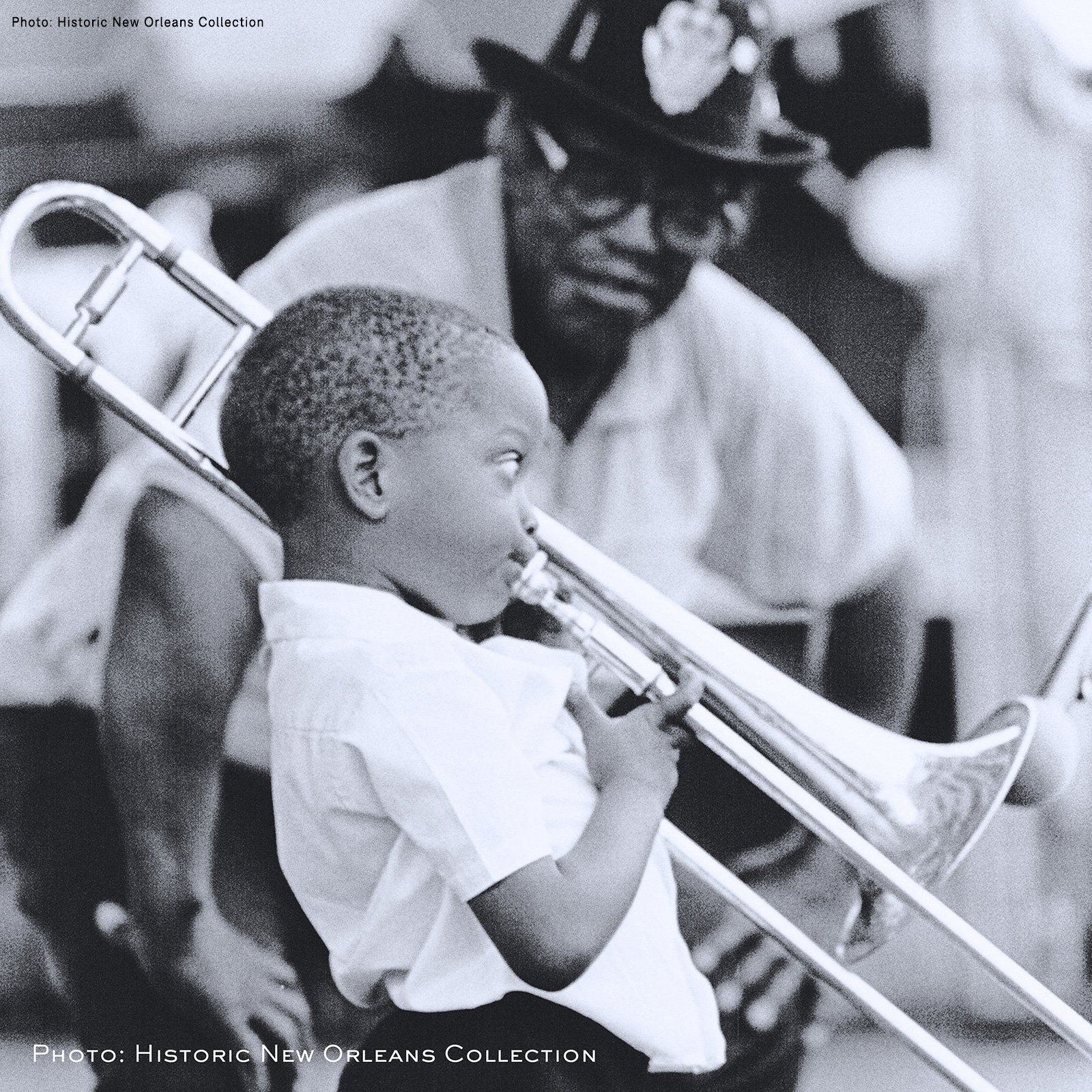
Troy “Trombone Shorty” Andrews was raised in New Orleans, but he says that New Orleans raised him. He started playing the trombone at a very young age and started playing professionally at the age of 5. He is a Grammy nominated artist who headlines the New Orleans Jazz Festival. He wrote his autobiography, Trombone Shorty, to show kids that dreams do come true if you’re willing to put in the hard work.

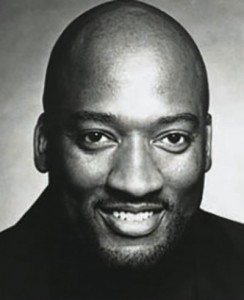
Growing up in Pocomoke, Maryland, Bryan Collier had an early interest in art and he was encouraged both at home and in school to follow that passion. Once Bryan made the decision to dedicate his time and focus full time to illustrations, he struggled for 7 years before any of his work was published. He uses a unique combination in his work with watercolors and collage.
Trombone Shorty, published in 2015, is the recipient of the Caldecott Honor, as well as the Coretta Scott King Illustrator award. The autobiography tells the story of Troy “Trombone Shorty” Andrews and his journey of becoming a world renowned trombone player. The book takes the reader through a beautiful tale starting with how the music that surrounded him had a profound impact on his life. After finding an old, broken trombone, Troy was ready to play and make his “musical gumbo.”
Visual Elements: The illustrations in Trombone Shorty take center in this book really setting the mood and tone of the story. It’s hard not to imagine yourself in the streets of New Orleans with the vibrant colors that Collier uses throughout. His use of texture through collage also stands out to the reader. The pictures pop off the page and lend themselves beautifully to the setting of the book. It is important for illustrators to pay special attention to details, giving “the artwork depth and allow artists to assert their individuality,” (Tunnel et al, 2016, p. 43). Including a real photo of Troy is an example of one such detail.
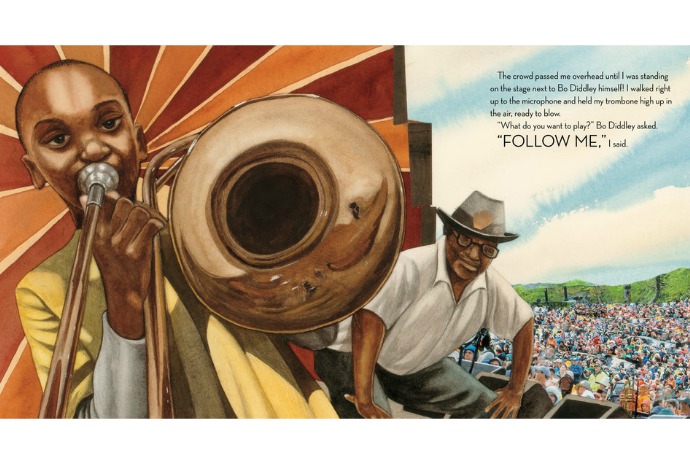
The use of lines is also something that stands out to me when reading this book. Collier uses both straight and curved lines in his illustrations that I believe helps with moving the plot along. “Artists use line to direct the viewer’s eye,” (Tunnel et al, 2016, p. 41) and my eye is consistently directed towards the focal point on that page, whether it’s the trombone or the background, or the facial expressions.
This book would be a valuable resource for teachers to use to apply the transactional theory to a small group. If I were to use this book, I would open the conversation up to students and let them take the lead. What do you notice? What do you see in the pictures? How do the pictures complement the text? It could be a nice introductory text for students to think about their own lives and what moments had an impact or changed their trajectory. I think this story would be hard to take an efferent stance with this book, simply because students may have a difficult time separating the facts from the emotion. This book lends itself to an aesthetic stance with the text and the illustrations.
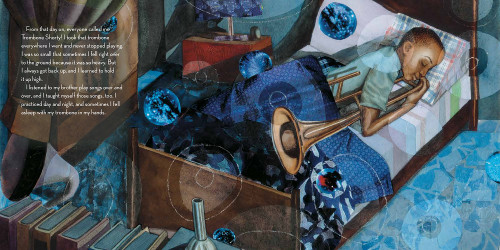
I absolutely loved this picture book and can see myself using it in the classroom as part of a biography or personal narrative unit. It also could be an anchor text for the artwork and the use of collage. Most importantly though, is the message that is delivered in this story and how relatable that is for kids today.
 Good Books