“And being different? That turned out to be the best part of all. I found that with a little creativity, and a lot of dedication, any difference can be turned into something amazing. Our differences are our superpowers.” -Cece Bell from El Deafo
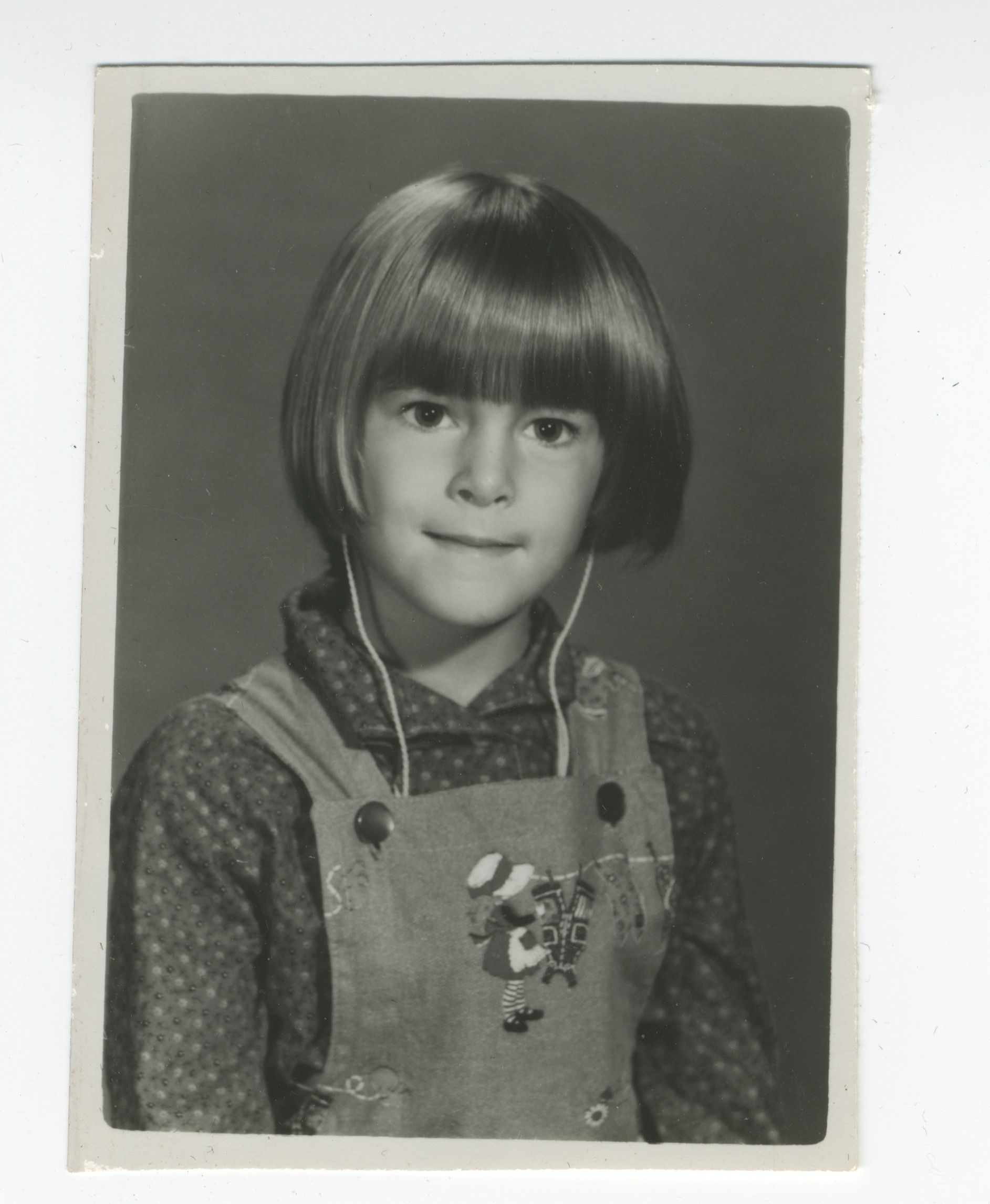
At the age of 4, Cece Bell contracted meningitis that left her deaf. Soon after she was learning how to read lips and was wearing a Phonic Ear tucked away in the bib of her overalls. She was the only one in her school that was hearing impaired, so it’s no wonder that this pivotal moment in her young life would find its way into her work as an author and illustrator. In a book, Bell read how you are more likely to be published if you both write and illustrate picture books. That fact is what first started her career. Her first book, Sock Monkey goes to Hollywood, was published in 2000.
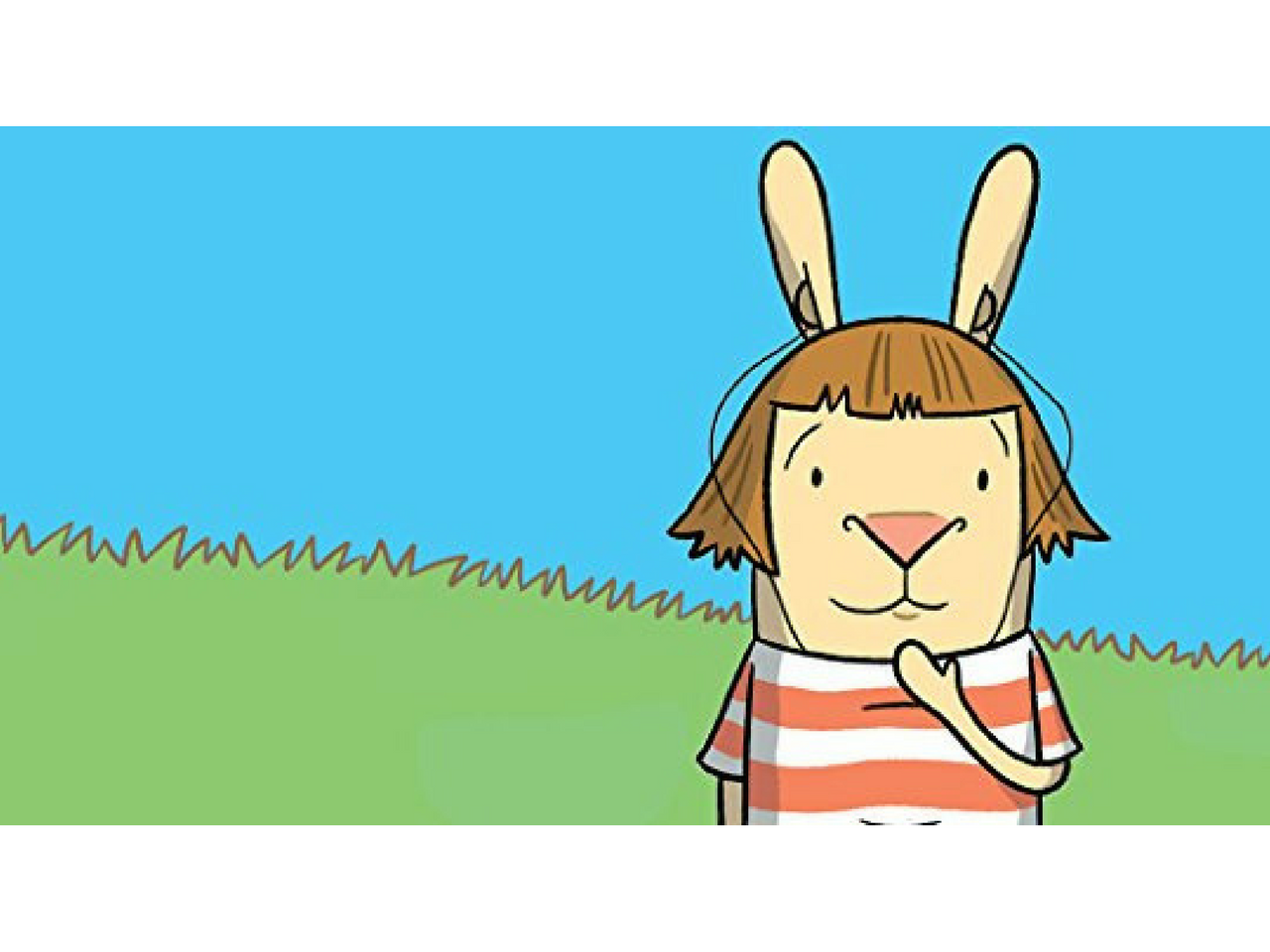
El Deafo, an auto-biographical graphic novel, was published in 2014, winning the Newberry Honor Book medal in 2015. It took Bell years before she felt ready to write about her experience as a young girl, but we are all better for having this book available. At the start of the book, the reader meets a young Cece as she is diagnosed with meningitis and the aftermath of discovering she is hearing impaired. The book follows her as she transitions back to school and learns how to navigate the world with her new device. In the end, she discovers that our differences are our superpowers!
El Deafo is a unique book for the reader because you are able to “hear” Cece’s thoughts as she faces different obstacles and experiences life with her new device. When the reader is able to get inside of a character’s head, they get to know them on a more personal and deeper level. Those thoughts allow the reader to get to know their fears, ambitions, feelings and opinions. While not every reader may be hearing impaired, Cece is a relatable character. The reader is able to “participate in the experience instead of being led through it” (Tunnel et al, 2016, p. 29).
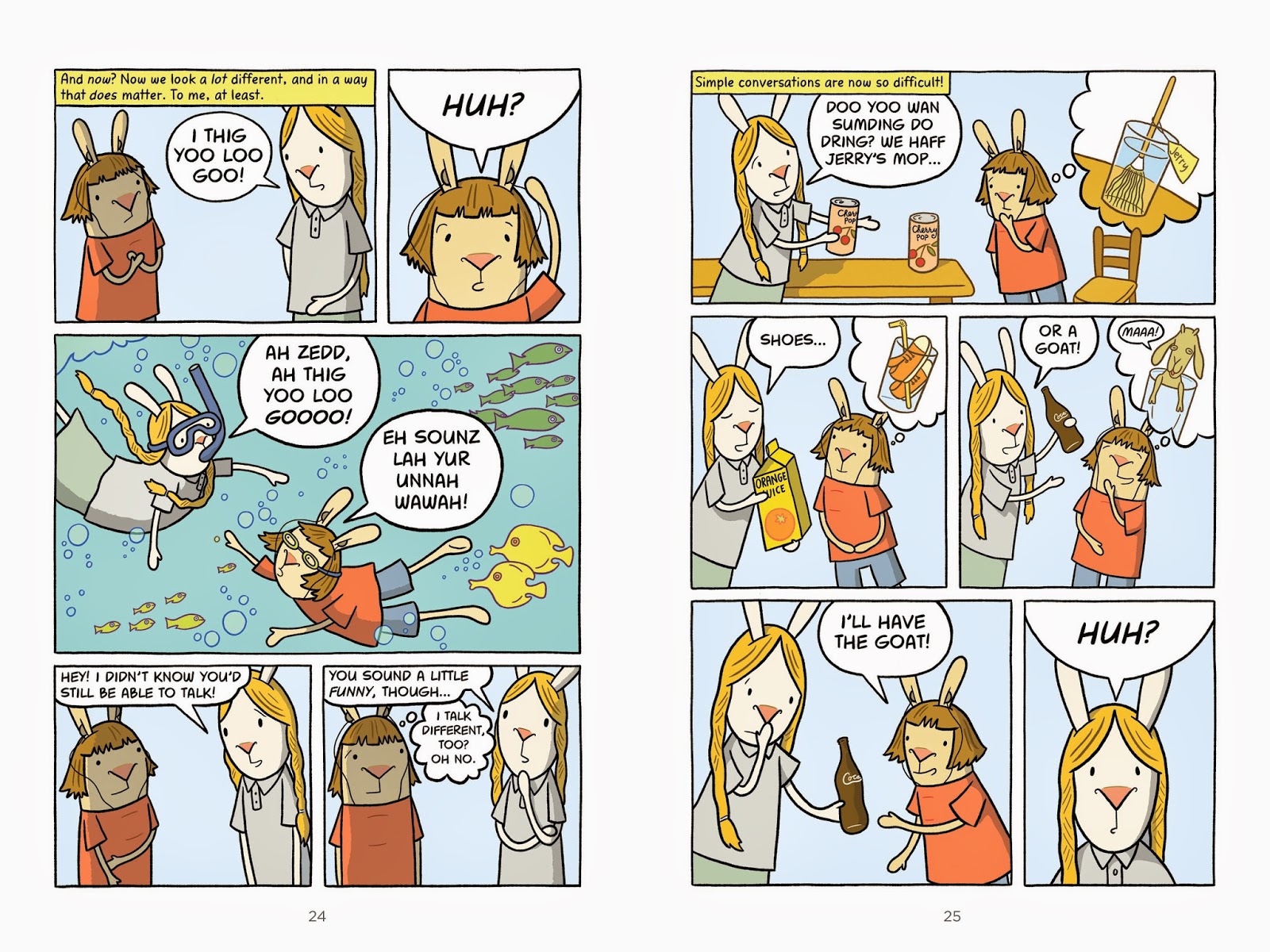
Along with the text, the illustrations help move the plot forward, allowing the reader to collect more information about what Cece is feeling and experiencing. The speech bubbles with gibberish help the reader understand what it sounds like to a hearing impaired person. The use of bright colors give off an uplifting mood, despite the sensitive subject matter. And the facial expressions used throughout the illustrations give the reader even more to use as they try to relate and build a connection to the main character.
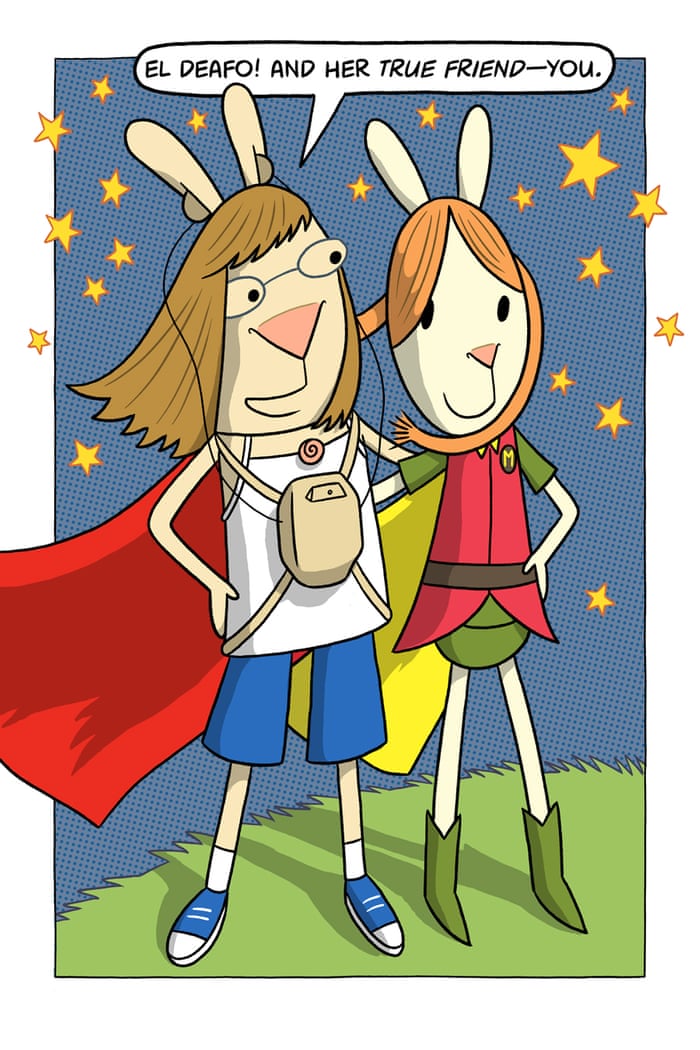
El Deafo is a heartwarming story with a powerful message for young readers. While I enjoyed reading the story and learning more about Cece Bell, El Deafo was not one of my favorites. I think this book is geared towards a younger audience. I have had a few students who have read the book and really liked it. However, as a whole class book, there are others that I think do the same thing as El Deafo, but are more captivating for an older audience.
 Good Books
I appreciated the nontraditional use of the speech bubbles as well. The gibberish, and also the way Bell faded the text to show that it was getting more difficult to hear was really unique, right?? 🙂
LikeLike