“I wrote The Distance Between Us because I believe that immigrant children have important stories that need to be told. I thought that maybe if I told my story of being a child immigrant it would help shed light on the controversial issue of immigration. I hope that those who read my book would show compassion, understanding, and love toward all immigrants, especially child immigrants”- Reyna Grande
Published in 2016, The Distance Between Us is Reyna Grande’s memoir that focuses on her family’s journey to the United States. Left behind while her Mami and Papi work on El Otro Lado, Reyna, along with her brother and sister are left to wonder if they will ever be reunited with their parents. This is a story about heartbreak, perseverance, survival and hope.
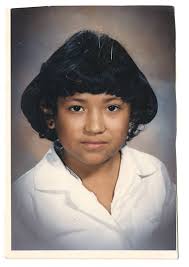
Born in Iguala, Guerrero, Mexico, Reyna was just two years old when her father left for the United States in hopes for a better life. It was two years later that her mother followed leaving Reyna and her two siblings behind, living with their Abuela Evila. Life was not easy being away from their parents and not knowing when they would be back together. When Reyna was nine, she and her siblings traveled across the border illegally and made their lives in the United States. She is the first person in her family to graduate from college and is now an award winning author, as well as an inspirational speaker.
Multicultural Literature: This book is a true story, therefore it is both credible and believable. “Cultural details needs to be represented accurately in literature. These may include the use of dialects or idioms; descriptions of ethnic foods, customs, and clothing; and information about religious beliefs and practices” (Tunnel et al, 2016, p. 203). Throughout the entire story, the reader is given snapshots of the cultural traditions of Mexican families. In Chapter 5, Reyna’s cousin, Elida turns 15. She describes the important event in her life as, “a Quinceañera was every girl’s dream, a party where you got to wear a beautiful princess dress and dance a waltz while everyone watched you twirl across the floor, and they clapped for you for becoming a young woman” (Grande, p. 35). Last year, I went to my very first Quinceañera of a former student and I was blown away. It was very eye opening and also very neat to experience such an important event in one of my student’s lives. Food, central to most cultures, is also highlighted in this book. On page 19, Elida is sitting in a hammock, “eating a mango-on-a-stick that she’d bought at Don Bartolo’s store. It was a beautiful mango cut to look like a rose, its yellow flesh sprinkled with red chili powder.” Mango with red chili powder is a frequent snack for my students. Grande also gives the reader a picture of the poverty that is prevalent in Mexico. In Chapter 2, Reyna and her sister, Mago, return to their house they had lived in with their parents. Afterwards, they go into “the small shack of bamboo sticks and cardboard near the patio. I’d been born in this shack. This is where Mami and Papi had first lived when they’d gotten married” (Grande, p. 13).
Immigration has been a relevant and sensitive issue for years now. It is far more complicated than right versus wrong. This book, regardless of how one feels about the issue, offers a story to readers that is open and honest. It is often the children who suffer the immeasurable consequences and that is true in this book. It gives readers the opportunity to empathize with those who put everything on the line to make it in America. For those who have had similar experiences or know of people who have had similar experiences, this will resonate with them as they see themselves in Reyna, Mago or Carlos. “Books written for children need to represent characters that are members of cultural minorities as true individuals and must present a positive image. However, this still leaves room for showing both positive and negative behaviors in a minority group” (Tunnel et al, 2016, p. 203). It’s hard not to feel sympathy for Reyna as you read her story, but I also know that there are people who would read this and blame the parents for what was done. In Part 2, Chapter 2, Papi warns the children to not tell anyone they are there without permission. “I’m serious, he said, if you tell anyone anything about how you got to this country, you can kiss it goodbye. You understand?” (Grande, p. 155). I think this can perpetuate the negative stereotypes of people from Central America going to extreme lengths to come to the United States.
Active Learning and the Construction of Knowledge: This book allows the opportunity for students to participate in a serious and somewhat emotional dialogue regarding immigration in the United States. We have had many conversations about this issue in my classroom and it is always fascinating watching how they interact with one another and also challenge one another’s thinking. We have discussed current immigration, but we have also looked at it from a historical perspective. I think it is so important to allow students to participate in honest conversations about real world issues. It lends itself to them gaining an understanding about the struggles of different people and aids in them becoming real citizens of the world. What can I learn from you? How does your opinion alter the way I view a topic? Did you bring something up that I had not thought of before? All of these questions are questions that guide the construction of knowledge for young kids learning how to navigate the world in which they live in.
Critical Literacy: This book is a very strong book to support the critical literacy of students. The topic alone lends itself to students asking questions and participating in their understanding.
- Disrupting the Commonplace– immigration is an emotionally charged issue and people have strong opinions about it. At times it can be challenging to discuss the issue with someone who has a different opinion than you. The Distance Between Us disrupts the commonplace by giving us a perspective of someone dealing with the reality of family separation.
- Interrogating Multiple Point of Views- while the story is told from Reyna’s point of view, readers could also explore other point of views throughout the book, using evidence from the text and making inferences. Why do Mami and Papi do what they do? Why is Abuela Evila so mean to her three grandchildren?
- Sociopolitical Issues- this book dives into the issue of immigration and provides the reader with the perspective of a child who has dealing with her family being separated for an extended period of time. This book could be used a supplemental text to explore the history of immigration in the United States.
- Promote Social Justice- we all cross borders in our daily lives. Just because I was born in the United States doesn’t mean I can turn a blind eye to those who are striving for better opportunities. What can we do to help promote social justice for immigrants? What should we do? How can students take action?
Overall, I enjoyed this book and feel that there are many students who would read Reyna’s story and see themselves in her. I think representation is key and this book supports that.
 Good Books
HI Emily, Your post here is so thorough, especially in the areas of language elements and cultural authenticity. The fact that Grande tells HER story – with no direction for how the reader is to react – allows the reader to not feel forced to make a decision or take sides. The reader sits back and learns about an immigrant child’s life experiences. Nicely done! Sherry Taylor
LikeLike